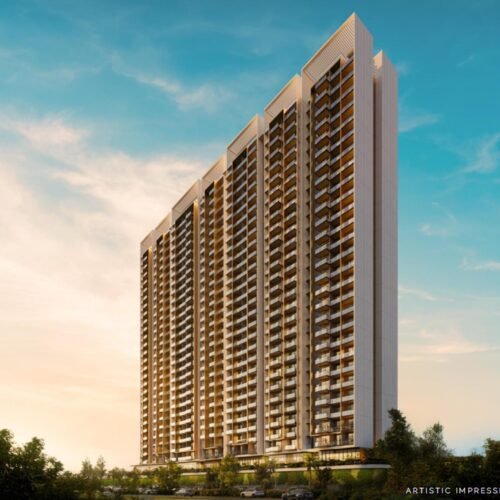

Commercial real estate pitches love the phrase “captive audience,” and it’s usually worth some skepticism — a lot of projects use it to describe a neighbourhood that’s still mostly empty lots and under-construction towers. Aura Vantaje Sector 48 Gurgaon is a case where the claim actually holds up to scrutiny, and it’s worth understanding exactly why that distinction matters for a commercial investment specifically.
What “Captive Audience” Actually Requires
For a commercial catchment claim to mean anything real, the surrounding residential base needs to already exist and be occupied — not just approved, not just under construction, but genuinely lived in. Several listings specifically describe Sector 48 as “fully inhabited” rather than speculative, citing established townships like Vipul Greens and Central Park 2 directly surrounding the project. That’s a meaningfully different proposition from a commercial launch in an emerging sector betting on residential occupancy that’s still years away.
Why This Matters More for Commercial Than Residential Decisions
A residential buyer purchasing in an emerging sector is generally betting on their own future convenience improving as the area develops around them — a reasonable long-term bet. A commercial investor in the same emerging sector is making a considerably riskier wager: betting that enough people will actually move in, and generate enough spending activity, to support the retail and office space being built. Aura Vantaje sidesteps that specific risk by sitting within an already-established catchment rather than an emerging one, which is a genuine structural advantage worth weighing seriously against comparable commercial launches elsewhere.
What the Immediate Density Actually Supports
Retail and F&B tenants specifically benefit from proximity to established residential density, since regular, repeat customer visits — grocery runs, daily coffee, weekend dining — depend on people actually living close enough to make those trips routine rather than occasional. Office tenants benefit somewhat differently: a well-established surrounding neighbourhood generally means better ancillary infrastructure — restaurants for client lunches, banking services, daily conveniences — that make an address more attractive to employees and visiting clients alike.
The Trade-Off Worth Acknowledging
Established catchments generally come at a higher entry price than emerging ones, since you’re paying for demonstrated rather than projected demand. It’s worth being honest about that trade-off: Aura Vantaje’s positioning within an already-inhabited Sector 48 likely commands a premium over a comparable commercial launch in a still-developing corridor further out. Whether that premium is worth paying depends on how much you value near-certain, immediate demand over the higher-risk, higher-potential-upside bet of getting into an emerging area early.
How to Verify the Catchment Claim Yourself
Rather than taking any marketing description of “captive audience” or “fully inhabited” at face value, it’s worth verifying this directly — visiting the surrounding townships in person, observing actual foot traffic and occupancy at different times of day, and speaking with existing businesses in the immediate area about their own footfall experience. That kind of direct, on-the-ground verification is worth more than any brochure claim, however specific.
Confirming Current Details
Given how much specific unit availability and pricing can shift as a project like this progresses, it’s worth checking current information directly. The Aura Vantaje Sector 48 Gurgaon page has current floor plans, pricing, and brochure details worth reviewing before making any investment decisions.
If a commercial address with genuinely established, verifiable residential density surrounding it matters to your investment thesis, Aura Vantaje is worth a direct site visit to confirm the catchment claims for yourself before committing.