Walk into any commercial project’s sales office and you’ll likely be shown whichever unit type has the best inventory left, not necessarily the one that fits your actual goals. Worth avoiding that trap here. Aura Vantaje Sector 48 offers three distinct categories of space — retail, office, and food court — and each one behaves differently once you actually own it.
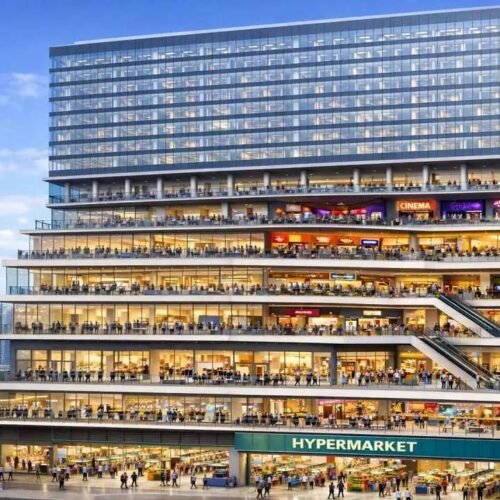
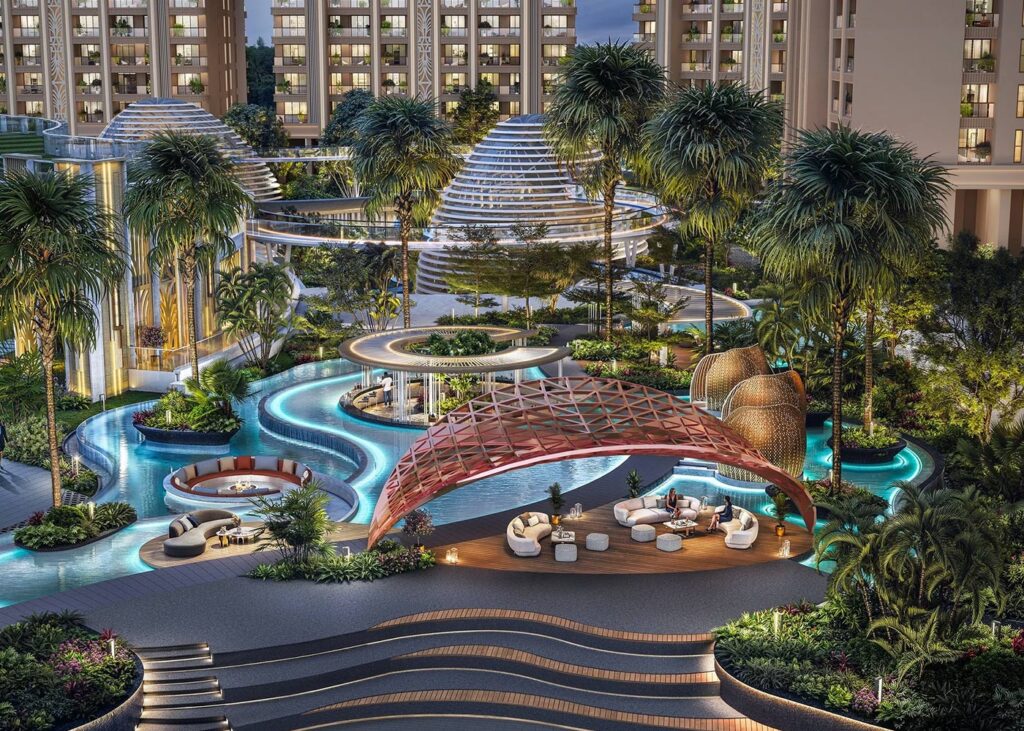
The project sits on Main Sohna Road in Sector 48, spread across roughly two acres, with a floor-wise layout built around a hypermart anchor, retail frontage, office floors, and a food court zone.
Retail Shops: Built for Footfall
Retail units, generally positioned on the upper ground floor, are priced for visibility. They suit tenants whose business depends on walk-in customers — clothing brands, salons, service outlets, anything where being seen from the road matters as much as the product itself. If you’re buying to lease out, ask what kind of retail tenants the developer is already in conversation with, since tenant mix affects the whole project’s footfall, not just your specific unit.
Office Spaces: Built for Function Over Visibility
Office units on the floors above trade street visibility for functionality — lockable, self-contained spaces suited to professionals, consultants, and small business teams. These generally see more stable, longer-term tenancies than retail, since office tenants tend to sign longer leases and move less frequently. If steady, lower-drama occupancy matters more to you than high visibility, this category is worth prioritizing.
Food Court Units: A Different Risk Profile Entirely
Food court units carry their own specific considerations — smaller footprints, shared common seating areas, and returns closely tied to overall footfall across the entire project, not just your unit’s location. This category suits investors comfortable with F&B-specific risk, which behaves differently from either retail or office leasing.
Comparing Them Side by Side
Rather than comparing purely by price per square foot, weigh each category against what you actually want from the investment:
- Retail — higher visibility, footfall-dependent, generally higher entry price per square foot.
- Office — functional, longer average tenancy, less dependent on visibility.
- Food court — smaller units, shared traffic dependency, distinct F&B-specific risk.
Getting Specific Before You Decide
Ask for actual unit-level details — exact floor, carpet area, and current availability — rather than a generic category description. You can explore Aura Vantaje Sector 48 directly to compare specific units across these categories before making a decision.
Frequently Asked Questions
- Which unit type generally has the highest entry price at Aura Vantaje Sector 48?
- Retail units on the upper ground floor typically command higher pricing due to their visibility and footfall potential compared to office or food court units.
- Are office units in commercial projects like this usually leased long-term?
- Generally, yes — office tenants tend to sign longer leases and change less frequently than retail tenants, offering more stable occupancy over time.
- What makes food court units a different investment compared to retail?
- Food court returns depend heavily on overall project footfall and shared common areas, rather than an individual unit’s standalone visibility, making it a distinct risk category.
- Should I buy multiple unit types to diversify within one project?
- Some investors do this specifically to balance the different risk-and-return profiles of retail, office, and food court categories, though it depends on your available budget and risk appetite.
- How do I know which unit type suits my investment goals?
- Match the unit type to your priorities — visibility and footfall for retail, stability for office, or F&B-specific exposure for food court — rather than choosing based on price alone.
- If you’re weighing these categories against each other, ask for a side-by-side unit comparison directly from the sales team.